Cliff Booth AI Backlash: David Fincher Defends the Tech
The Cliff Booth AI backlash has a reply from the director, sort of. David Fincher, who made The Further Mis-Adventures of Cliff Booth from Quentin Tarantino’s script, told the Los Angeles Times in an interview published Thursday, Nov. 19, that he’s “not a Luddite” about AI. “Well, it exists,” he said. “Should we not use it?”
Those words landed the same day early viewers started calling out what they believe is generative AI in the Brad Pitt sequel. The movie opens in Imax on Wednesday, Nov. 25, and hits Netflix on Dec. 23. As of Nov. 20, Netflix hadn’t confirmed or addressed the claims.
What Fincher said about AI
The LA Times piece is a holiday preview profile, not a response to any one review. But Fincher’s answer on AI is blunt, and it’s the part everyone is quoting.
“Is everyone satisfied that we have figured this art form out enough that what we really need to do is go back to celluloid? How long have people painted? 40,000 years? We’re talking about a thing that’s a hundred years old and everyone’s going, ‘Stop. Pencils down. No more iterating. It’s not necessary to have at your fingertips the ability to change the color of that person’s eyes.’ Well, it exists. Should we not use it?”
That last question is the line Deadline put in its headline on Nov. 20, and it’s the one most coverage has run with.
Where the Cliff Booth AI claims came from
Press screenings started the fire. Indie filmmaker Patrick Tomasso posted on X on Nov. 19 that he “walked out of Cliff Booth completely gutted” because of “some of the most blatant and egregious AI use I’ve ever seen in a studio film.” He promised more “receipts” once the movie is streaming.
Next Best Picture’s review called the film’s “use of generative AI in key moments” an “eyesore,” even while scoring the movie 7 out of 10. Louis Peitzman, who writes for Vulture and The New York Times, noted on Letterboxd that a “generative supervisor” is listed in the credits, Kotaku reported.
The scenes people keep pointing to, per The Playlist’s review as summed up by World of Reel, are an early montage of stunt work by Scott Caan’s character and a montage that puts Elizabeth Debicki on a red carpet next to classic Hollywood stars.
None of that is proof of what tool made which shot. It is enough to make a lot of fans look harder.
Did Fincher use InterPositive on Cliff Booth?
Nobody involved has said so on the record. What we do know: Bloomberg reported in March that InterPositive, Ben Affleck’s AI company, helped produce “an upcoming film starring Brad Pitt.” Netflix later bought the company in a deal reported at up to $600 million.
Fincher has also used AI before, and openly. He told Entertainment Weekly that AI tools helped sharpen soft shots and rebuild missing image detail for the 4K restoration of Se7en, which played Imax in January 2025. He called one of those repairs “the most thrillingly stupid fix in the world” to Collider, because if you notice it, they failed.
That’s the gap in this fight. Fixing a scratched 1995 negative is one thing. Generating new images for a 2026 movie that’s selling 1977 Hollywood nostalgia is another, and fans aren’t treating them the same.
Are reviews for Cliff Booth good?
Mostly, yes. Kotaku reported an 84% positive score on Rotten Tomatoes as the first reviews came in. Pitt is back in his Oscar-winning role as the stuntman, eight years after Once Upon a Time in Hollywood, now a projectionist who works as a Hollywood fixer on the side.
Deadline describes the plot as a conspiracy involving a Filipino gang and a stolen Oscar. Debicki, Caan, Carla Gugino, Yahya Abdul-Mateen II and Peter Weller co-star, and Imax lists the runtime at 2 hours and 21 minutes.
When and where to watch Cliff Booth
The Imax run is exclusive and lasts two weeks, starting Wednesday, Nov. 25, the day before Thanksgiving. Deadline reports Regal and Cinemark won’t play it, so check your nearest Imax screen first.
After that, it streams on Netflix starting Wednesday, Dec. 23.
It’s also landing in a busy month. Sunrise on the Reaping opened Nov. 20 and was tracking toward a $100 million first weekend. And Imax is the format Christopher Nolan built The Odyssey around, shooting it entirely on Imax film cameras. That’s about as far from Fincher’s “go back to celluloid?” jab as you can get.
Hollywood is also turning the AI story itself into movies. Andrew Garfield plays Sam Altman in Luca Guadagnino’s Artificial, which opens in select theaters on Christmas Day.
What happens next
My guess is the real verdict comes Dec. 23. Imax audiences get one viewing on a giant screen. Netflix subscribers get a pause button, and Tomasso already said that’s when he’ll post his “receipts.”
If Netflix wants to get ahead of it, the easy move is to say which shots used generative tools and why. Until then, the credits are doing the talking, and “generative supervisor” is a hard title to explain away.
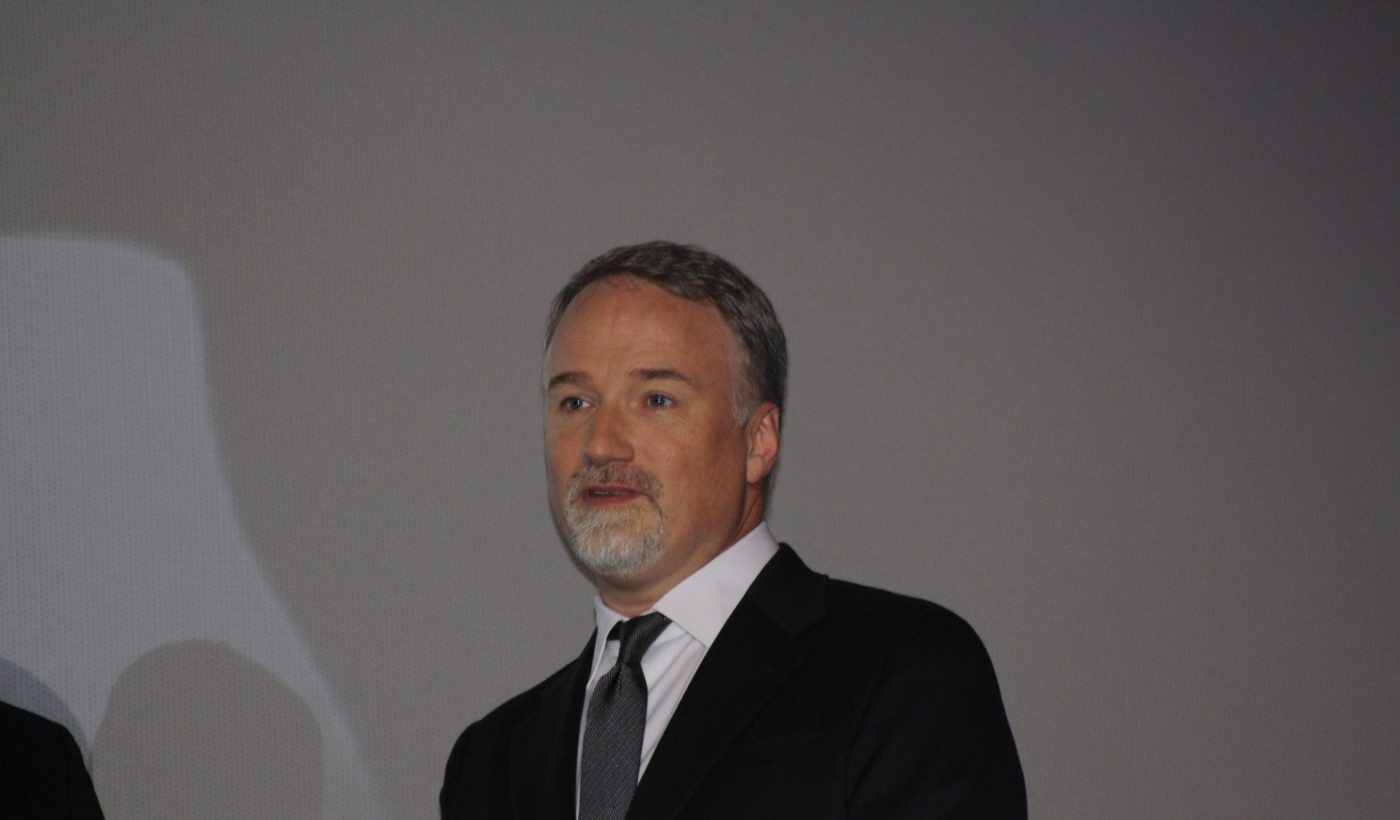
Featured image: David Fincher in Paris, January 2012, by Elen Nivrae, CC BY 2.0, via Wikimedia Commons, cropped.